
Over the last 10 years I have been working at improving my skills to help me thrive in my simple, frugal life. This has helped me adapt, stopped life feeling tougher as prices have increased, or when supply lines have been unreliable.These skills have not been learned over night, but over years. I am actuallly still a work in process and hope to build on, and refine even more skills.
Some of these skills help me save money. Many help me improve my health and wellbeing, and also give me a sense of independence and security. A few skills help me grow and preserve my own food. Learning to use what I already have is a skill I already have. Here are some skills that I have learnt that have really improved my life since retiring. Until I started writing this I didn’t realise there were so many. There are some I haven’t mentioned, like making cider, as well.
Growing my own food.
I started by just growing some herbs in pots, and some lettuce in a trough. We then were lucky to get an allotment 8 years ago, and then a 2nd a year later. I grew so much food but I would end up giving lots away. We found the allotment rules and politics quite difficult and I was spending a lot of time 60 miles away looking after my mum. It was therefore decided to give up the allotments 5 or 6 years ago. I still had the herbs in my garden, a few currant bushes, and an apple tree. We also grew strawberries and lettuce at home as I could pick and use them more easily. I got a greenhouse and we started growing tomatoes, a couple of courgettes, and beans at home in about a dozen pots. We also brought a clump of rhubarb back from the allotment. Over the last year or so we have introduced waist height growing beds, and hope to add more. We now grow enough food in our mainly paved garden, to last us all summer, and part of the winter.
I have done this by studying my garden and adapting where I grow things according to sun, shade, and wind. We usually start running out of somethings in January, but the Christmas and Easter cheap vegetables mainly see us through until our first crops in Spring. This is usually pak choi. We don’t grow much winter veg as our garden is treacherous in winter, but we do have spinach, Swiss chard, and Leeks to help us through. I also grow lettuce and cress on my window sills.

Propergation.
It feels like I had always got young strawberry plants from old ones, and known how to devide rhubarb. I was therefore able to increase some crops. However, the first thing I really propergated was a branch from a black currant bush. I then went on to increase my gooseberry bushes as well. From 3 different bought currant bushes, and 1 goosebery bush, I was able to make a currant hedge and have 7 other fruit bushes at no cost. Next I propergated rosemary and lavender bushes to give as presents. Hydrangers were my next trial as flowers are not my expertise, but I wanted one and couldn’t afford to buy one. I pinched a few leaves from a plant in the park and have made 3 plants from them, two as gifts. There are still so many things to learn, but I will be experimenting grafting more plants this year.

Seed saving.
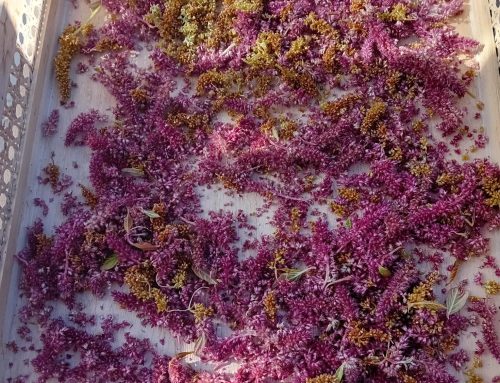
I buy 3 packs of heritage seeds each year. These grow true and adapt to my garden when the seeds are saved. Saving my own seeds at the end of every season has saved me money, and produced better crops. It has also meant that I have been able to try new crops like Amaranth and Quinoa that provide me with some grain, and add beautiful colour to my garden.
Bottling or canning
This really scared me and I still don’t do a lot. I have always made jam and chutney, but learning to can passatta and tomato sauce has saved me a lot of money and reduced ultra processed food. I just use natural ingredients. We have also had success at bottling compote and apple sauce.
Dehydrating.
This started with me wanting to make fruit leathers. At first I did it on the back shelf of my car. Now I dehydrate so many things from grated carrots to throw in a slow cooker bolognaise, to Hawthorns for my tea. I use my conservatory quite a bit to dry beans, peas, fennel seeds, apple slices, herbs, etc. We did get a dehydrator a year or so ago but have found that it takes ages, and my conservatory works better. My air frier also deydrates well, though only in small quantaties. I tend to use this to finish off things or to make bread crumbs, etc. The picture shows me drying courgette which I turned into flour.

Pickling.
We pickle food to make them last longer and so we can eat them out of season. Mr S makes picalillli a couple of times a year. We also always make pickled cabbage with the cheap Christmas red cabbage in the shops. I pickle the buds and flowers of wild garlic, cucumbers, and sometimes onion. 
Fermentation.
I am at the early stages of learning this and still don’t feel totally confident. To be honest I am really sure if I like fermented food. However, I know that it is good for me and that I can preserve food this way if I need to. I will be making sauerkraut with some of the Christmas veg, and in the past I have made kefir, and kimchi.
Foraging.
Initially it was just brambles and apples and these provided compote for the winter. That winter food was so much more enjoyable as we had fruit each week. Then I tried wild garlic. This provided taste to winter and Spring food, and saved my garlic and onions which were starting to run out. I could make wild garlic salt, wild garlic butter (to make garlic bread), pesto etc. It gave us more choice and variety. I then went on to nettles and used the new leaves like spinach, and added the seeds to bread. Dock seeds made flour to add to bread. Each new thing I foraged added not only variety to our food, but health benefits and nutrition. Elderberries, hawthorn, rosehips etc are examples of what we forage for this reason.
Making bread etc.
My first loaf was more like a brick. Mr S smiled and ate it, pretending it was nice. It started improving with practice. However, the biggest improvement came when I started using my stand mixer to knead it. Baking bread became less of a chore. I would put my oven on once a fortnight and make bread, and then freeze some. I did dabble with sour dough as I know it is good for us, but neither of us enjoy eating it as much. I can now make lovely bread without thinking, and without a recipe.
I will often add seeds, fruit, or herbs and spices to add variety to our meals. Another thing that I do is try to add some of the ancient types of grains as they have more natural goodness in them. Rye, Einkorn, and Spelt are my favourites. White flour, unless ground in a small mill, has a lot of synthetic nutrients in it which some people find harder to absorb.
Just recently we have been given a bread maker. My first loaf looked like an alien. I have now adapted the recipe and the last two have been fine. The bread maker bread makes better sandwiches as the loaf is more uniform. However I prefer the bread that comes out of the oven as I can be more creative with it. I now only put my oven on once a month to make bread, and we have a couple made in the bread maker as well.
Making yoghurt
I make this in my slow cooker. At sometimes of the year my kitchen is too cold and so I wait for a baking day.- This has saved us so much money and it is really useful to have in the fridge. Mr S likes to eat it with fruit. I can also make so many things from it. This includes healthy lollies and bark for my grandson in the summer. Most weeks I will also add flour and salt to some yoghurt and make pizza dough, bagels, or things like quick herb scones. I then cook them in the air fryer.
Making condiments.
The first condiment I made was sweet chilli sauce as we had grown hundreds of chillies. It tasted so good and all our family wanted some and received them in Christmas hampers. To use up other crops, avoid the supermarket and UPF we started making more. Apple cider vinegar is regularly made, BBQ and tomato sauce, mayonaise, mint sauce, mustard, etc. I even made hawthorn ketchup this year.
Making butter
The first time I made my own butter, I felt like a proper homesteader 😊. It is so easy to make in a stand mixer. Butter is a luxury for us but I refuse to use margarine. When ever we find discounted cream I make butter and freeze it. I can then use it for baking throughout the year. The butter milk is great for baking with as well and so nothing is wasted.
Making my own teas
This is something I learned to do last year. I had only had a few cups of herbal tea before that as I don’t like hot drinks. I knew the medicinal benefits of herbal teas, and so started drinking them cold. This is all I drink now and has reduced my sugar as I used to make elderfllower or blackcurrant cordial. I mainly use ingredients that I forage and grow like mint, hawthorns, lemon balm, berries, and fennel seeds. However I did buy a bag of hibiscus flowers from a health food shop, and use some cloves I had in the cupboard.
Learning that our food is our medicine.
I think that as a society we have become so disconected from our food. We mainly think about the taste and only really know about the main nutrients. We don’t realise that food is also medicine. An example is that my gums have been bleeding recently. I was advised to get a mouth wash that cost £3.99 a bottle. Instead I researched it and started drinking a glass of clove water a day. The bleeding stopped within 3 days and hasn’t returned. So much of our food was eaten in the past for various ailments or to keep us healthy. Unfortunately lot of that knowledge has been lost. 
Understanding about ultra processed food and reducing my use of it.
Before books were written about this, I realised for myself how ultra processed food made me feel ill and bloated when I ate at work. I remember looking at the back of a packet of wraps at all the ingredients that I had never heard of and so started making my own. Twenty years ago I started to increase the items that I made from scratch. I did cheat sometimes due to time and would add tins of soup for sauces, etc. When I retired I stopped doing that. When Mr S moved in we baked and made meals totally from scratch. We had more time. We also started making things that we would previously buy from the supermarket. This included making sausages, hummus, falafels, yoghurt, bagels, ricotta cheese, etc
We do still eat some UPF foods from time to time, but have them down to about 15% of our food. We make a lot of our own snacks, but do visit The Company Shop once a month. The low prices and cheap treats add UPF to our diet. One of my intentions for this year is to reduce it further.

Recycling and Upcycling.
I am really good at seeing a purpose for discarded items. The down side of this is that in the past I have collected too much clutter. Our recycle bin goes out once a month and is never full. Staying away from the supermarket helps with that. I grow seedlings and food in recycled containers, have built a settee and a garden bench out of an old bed when times were hard. In the past I have used decoupage and paint to improve furniture, and made rugs out of old clothes, for example. Most of my furniture and some of my clothes are second hand, and most of my grandson’s toys are preloved. All our waist high vegetable beds have been made from old pallets. We do this to save money but also for the environment.
Pantry Preparedness.
Luckily I started this seriously in 2018 . My food in the cupboard always did have more in then most households. This comes from having years when I struggled to feed us. I noticed from reading world news that some crops were failing and so knew prices would be rising. I therefore stocked up on these items. I would also buy odd items like loo rolls when I had spare money in case we couldn’t afford them later. Money was very tight at that time as I was travelling to care for my Mum. My fixed income was struggling as I had to buy extra petrol. Covid then hit and I was able to help family when there were shortages. Ever since then I have kept a spare pantry of items that have a long life. This has enabled me to reduce shopping and have an annual food budget. Learning to rotate the pantry and use things up was a skill I hadn’t really used before. I had to quickly learn so that money wasn’t wasted. Pantry preparedness helps me feel secure and less anxious as well as saving me money.
.
Food preparation and Meal planning.
Each Sunday I shop from my freezers and cupboards and decide what needs using up that week. This way I have no waste and save money. If I can’t think what to make with what we have I will search on the internet for ideas. All meals are planned for the week, but the plan is flexible. As long as we use the ingredients it doesn’t matter what we make. We try to introduce new recipes and be creative so that our food doesn’t become boring. When we bake we will make a couple of sweet treats and freeze some for a week when we are not baking. Last week we made fat scallies and shortbread as we gave some as gifts. Next week I am making a ginger cake and lemon curd tarts.

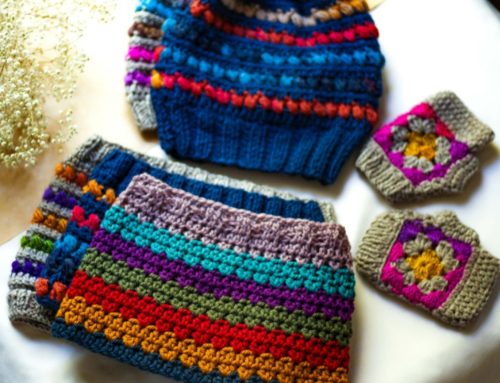
Other skills that I have learned are basket weaving, soap making, making lip balms, candle making, to mention a few. Are you learning any new skills this year.? I want to relearn embroidary to put some on the back of my shirts. I also want to improve my cheese making and make it more regularly.

Just what I needed. You are so inspirational and I can’t wait to do more this year. I might combine with your bingo card idea
Brilliant
I want to find a mint that I like the taste of in a drink. I also want to make waffles in our new waffle maker we had for Christmas.
I have learnt to make patchwork quilts & have made 3 so far .
The swag I made this year as a Christmas Decoration for us I will make for gifts next year for others .
I also learnt how to make no sew
Baubles again I can gift next year.
I have added to my bingo card to learn how to knit & crochet to make headbands & tea cosy .
I want to dry more things to add to store cupboard I made dried apples & lemon balm for teas .
I’d like to learn more about bottling but I’m guessing I’d need a big pan & our induction hob aren’t always compatible with big preserving pans.
Thankyou for this blog you are such an inspiration. X