
This is the 2nd in a series about how we make sure that we have enough nutrition in our diet, whilst living on a low budget. Vitamins are needed for a lot of different functions that we take for granted in our bodies. These include immune support (A,C,D) and bone support, (D and K). Vitamins C and E are used to break down our food for cellular energy so that we don’t become fatigued or feel weak in our muscles. Other B vitamins keep our nervous system healthy and help us to produce red blood cells. Getting all the vitamins and minerals needed is important for our health
Supplements are not in my budget, and cheaper ones are also full of rubbish. The body doesn’t absorb synthetic nutrients as well as it does from food, either. Some people may need supplements, though, especially if they are vulnerable or pregnant. These are some of the strategies that I use to get as many varied vitamins and minerals into our diet as possible.
1. Buy or grow high nutrient and low cost staples. Carrots are high in vitamin A and cabbage in C and K. Both store well, in the fridge or in boxes in cool dark places. I never cook just white potatoes as mash, but try to add some sweet potato in with it that adds vitamin C and fibre. If fresh vegetables are scarce, I buy frozen as they are cheaper and have as many vitamins in them. Another good source of cheap vitamins are bananas (B6 and potassium). These can often be found reduced, or at community fridges. They freeze well. I like to make pancakes or healthy icecream with them. Now and again I buy oranges and satsumas, especially around the festive season when they are cheaper. These add vitamin C.
2. Foraging. A lot of our vitamin C for the year comes from foraged blackberries and apples. They are even in urban areas if you look for them. Sometimes people offer apples for free from their garden. We got quite a few that way last year. Blackberries also have omega 3 in their seeds. We make a big batch of compote sweetened with honey, each week. Wild garlic is another favourite that we forage. This is full of Vitamin A and C. I will do a post in the future with our foraging calender and all the free nutrients that we get from them. This is an earlier foraging blog Foraging now for winter nutrition
3. Use lentils, pulses and dried beans. At first I just used them to bulk out meals and save money and didn’t realise the nutritionnal value. However, they are a great source of vitamins and minerals. We eat more than half of our meals using these now. They are full of B vitamins, iron, zinc and magnesium. 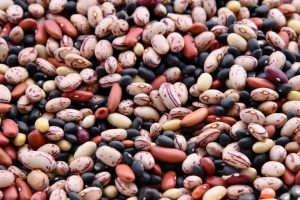
4. Buy canned fish. These provide vitamin D, B12, and omega 3 for a lot less than fresh fish. They store well and so can be bought when on offer All are really versatile for use in recipes. We usually use tuna, sardines, and on an odd special occassion, salmon.
5. Grow a garden, or even a window box. I have always grown veg, even when I rented a flat. In those days it was salad greens on window sills, tomatoes in pots, spring onions and radishes in a window box. Now I grow about 80% of our vegetables in a paved surburban garden. We also grow a lot of herbs.
Most of our harvests are grown in pots, or in raised boxes made from pallets. The garden provides a wide variety of nutrients. We have even started growing mushrooms. We preserve our produce for use all year by freezing, dehydrating, fermenting, pickling, or water bathing them. Home grown food generally has more nutrients when freshly picked than store bought veg, which can be months old.
6. Using eggs strategically. We used to eat loads of eggs a week but they are more expensive now. I buy 30 every 6 weeks from a farm shop. We use them to replace meat in a meal sometimes, but also stretch them in things like quiche, egg fried rice, fritters, or a vegetable scramble. We also bake with them. They are full of vitamin D and B12.
7. Make lots of soups and stews. This is a cheap way to stretch nutrients and a way of using up what is in the fridge. We make a slow cooker full of Paupers stew each week as you can use what ever you have, and vary it with spices. Frozen veg can be added to it as well.
8. Sprout seeds. I use up old packets of seeds by growing them as microgreens, or sprout things like mung beans. These are both packed with vitamins.
9. Eat the whole veg with no waste. We make pesto with carrot tops, eat beetroot leaves, and do things like use the stalk of brocolli. Potato peels make great crisps, and veg peelings make stock, etc. No part of a plant is wasted. If it isn’t usable, it will go in the compost. There are lots of nutrients just under the skin and so often we don’t peel veg.
10. Plan shopping around sales and seasons. We rarely buy anything that isn’t on sale, and eat seasonal food. You won’t find us buying things like tomatoes or cucumbers in Winter. We will make winter salads with things like cabbage and carrots. My favourite is coleslaw made with lemon, rather than mayonaise, if we find some at the community fridge.
11. Buy in Bulk. We buy pulses, beans, rice, wholewheat pasta, and flour in bulk as it works out a lot cheaper.
12.Use free sources of food. These might be apps like Olio, or community fridges, or food banks if you are entitled. They often have lots of vegetables and fruit.
13. Buy seeds and nuts in bulk. Nuts can be frozen to stop them going rancid. These contain vitamins E, B vitamins, magnesium and zinc. We sprinkle seeds in porridge and on bread or salads. We use nuts in cooking and baking. I often buy nuts after Christmas when they are reduced.
 14. Cook from scratch. Cooking from scratch usually means that you are naturally adding more nutrients as you are adding pure, natural ingredients, and not ultra processed rubbish. You can tailor the nutrients to your health needs, as well. As well as making meals, we make lots of things from scratch, including hummus, yoghurt, and bread.
15. Use Fortified basics. We don’t do this much, but cereal, milk and plant based milk, bread, flour, and oatmeal are often fortified with extra nutrition. However, some have a lot of sugar, or synthetic vitamins. They are better than nothing, though.
Those are just the ways that I can think of off the top of my head. What have I missed? How do you ensure that you are getting enough vitamins and minerals.


Thank you for an interesting vlog. I wasn’t aware that nuts would be ok if frozen.
Yes it just stops them going rancid
We do much the same as you do only I do take Omega 3 as a capsule despite eating oily fish as was advised for my dry eyes.
I was surprised when I looked to see what vitamins were in Spaghetti squash, there’s lot’s of minerals as well. They really are very good to eat. That is similar with other squash we have grown too.
We eat and freeze a lot of berries and we like blackcurrant summer pudding best with the blackcurrants. I like a few raw with yoghurt and we make jam with most of the fruit. We have been making compote and at the moment I am having raspberries and red currants in my overnight oats.
Lovely. I must grow some spaghetti squash.
Very helpful tips Toni thanks for sharing am going to be getting in more vitamin & nutrients now I know where from
Brilliant. Thanks
Great blog, did you know that if you put the mushrooms you ate going to use in cooking onto a windowsill so that the sun is on them for about 15minutrs or so it increases their vitamin d content.
Recently I went to the Dr’s as I’d been feeling tired all the time with pain in my bones and not sleeping too well either and he told me that in the UK I winter I needed to take extra vitamin d as you cannot get enough at this time of year from food. It’s important for people who don’t go outside or who stay covered up, (I wear ling sleeved tops and trousers as i dont want to get bitten by horse flies in the summer)to supplement year round too.
They are expensive I’ve got the ones from British Vitamins but he told me supermarket ones were OK.
He did have blood taken for testing but he told me the NHS won’t test for vit D. You can privately test from places like blue horizon, monitor my health but it’s costly.
I’ve started to feel better since taking them.
I eat 2 or 3 eggs most days too ad well as tinned fish but I’m not a fan of sardines or pilchards either I add lots of white pepper and cider vinegar to make them more palatable. I also buy the ones in tomato sauce (as they are much cheaper)and use as a sauce i fry onions and other veg and mix into GF pasta….they are not bad when hidden that way.
Yes vitamins are important for vulnerable people likevthe elderly or those who don’t get much sun. Yes I read aboutvthe mushrooms recently. I didn’t know that before.
A great read Toni. I started taking vitamin D a good few months ago as I saw on an adventure programme in Antarctica that the staff there that live on the continent need it because of lack of sun in there winter,its the same here in Scotland hardly any sun ,I will take it throughout the year. Ive been taking cod liver oil high strength, vitamin B complex and glucosamine condrinthium for joints . But im beginning to question if im wasting my money now, as I do eat very healthy and have done in recent years, eating loads of fruit,veg,pulses,yoghurt, nuts and cutting out ultra processed foods. I think when they run out these supplements ive recently bought 3 for 2 in tescos, I wont replace them, ill only replace my vitamin D . Also eat tinned fish in pasta dishes, may make a tinned fish lasagne for something different soon to. Thanks for sharing.
I buy magnesium now and again but make sure it is a good brand. Yes the sun seems to be hidden by cloud more and more now. I can’t rember the kast time I saw it in the sky when it wasn’t behind a haze