
We had our first frost this morning which spurred me on to go outside and do some work on the garden. The garden has certainly begun to change over the last few weeks. All of my summer crops have finally come to an end. Although the main growing season is winding down, there’s still plenty of jobs to do in October in the vegetable garden. I do have some winter and autumn crops still growing. This is the first year that I am growing any winter vegetables. For me, this October isn’t just about clearing away the old plants. It is about recycling what I can, protecting the soil, making the most of any remaining harvests, and preparing the beds for next year.
Chop and Drop – Letting Nature Do Some of the Work
One of today’s jobs has been chop and drop. Rather than pulling everything up and trying to cram it into my compost bins, this year I have been cutting down healthy, finished plants and leaving the softer leaves and stems on the soil surface of my raised boxes that I am not using over winter. This organic material gradually breaks down, returning nutrients to the soil and feeding the worms and microorganisms that help keep it healthy. I had lots of celery and bean leaves.
Where possible, I leave the roots in the ground when I clear up plants, and chop them just above the soil surface. As they decompose, they create little channels through the soil and add organic matter beneath the surface. It’s a simple approach that reduces waste, saves work and helps build healthier soil. Obviously, I don’t leave diseased plants on the beds, though. Anything showing signs of serious disease is put in the refuse bin to reduce the risk of problems next year.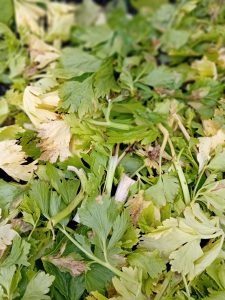
The First Frost – Goodbye to the Summer Crops
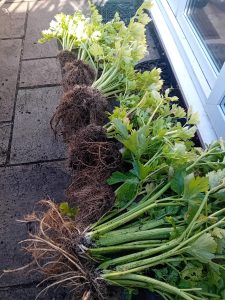
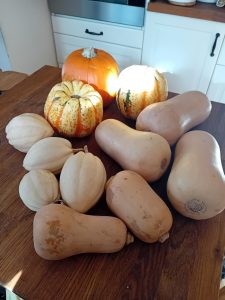
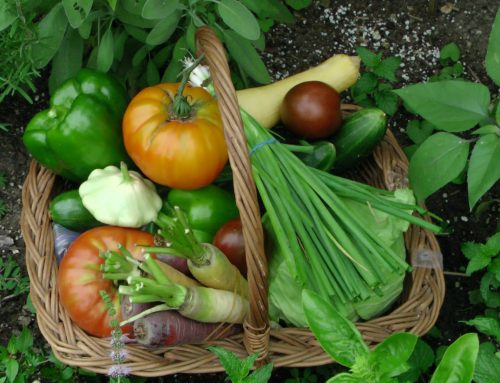
The first frost has made its mark on the vegetable garden. Tender crops such as courgettes, squashes, French beans and outdoor tomatoes can quickly suffer once temperatures drop below freezing. Luckily, with it being a warm year, most of my summer crops had finished, an I only had a few green tomatoes to pick, and a handful of beans. I did have quite a lot of celery, though. Before clearing everything, it’s worth checking for any last vegetables worth harvesting. Mature winter squashes, for example, are best brought into a frost-free place for curing and storage before hard frost damages them. Today I found a massive courgette hiding behind a plant pot that I had no idea was there. I will make Courgette and sweet potato cheesy bites with it tomorrow. We love these.
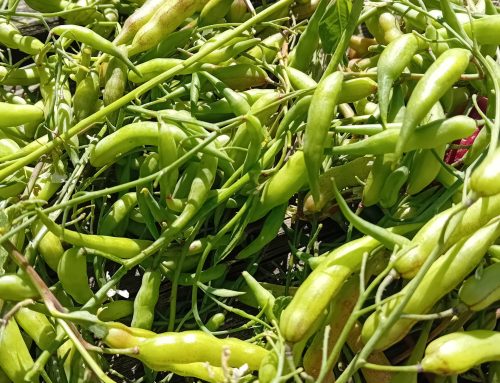
I also found some dried bean pods that will add to my seed collection for next year. I have probably saved more seeds than usual this year with all the talk of food shortages. All of my plants are grown from heirloom seeds, except for a few I have been given. I still have more marigold and fennel seeds to save this afternoon. The marigold seeds I will give as stocking fillers in nice envelopes. The fennel seeds are for my favourite tea.
It’s always a slightly bittersweet job, clearing the plants that have fed us throughout the summer, but it also feels good to make space for the next growing season. It is a bit of a relief as well as I work hard during the summer, but once I have done the October jobs, I know that I have a bit of a rest for a number of months. I must admit I am a bit of a fair weather gardener.
Protecting the Soil Over Winter
One thing I try to avoid is leaving too much bare soil exposed throughout winter. I grow mostly ion pots and raised boxes but heavy rain can damage the soil surface and wash nutrients away, particularly on uncovered beds. Once a bed is cleared, I like to cover it with organic material, whether that’s chopped plant matter, leaves, homemade compost or well-rotted manure. I also put bramble stems on the one bit of ground that I have so that the local cats don’t use it as a toilet
The mulch helps protect the soil from winter weather while encouraging worms and other soil life to carry on working beneath the surface. I don’t dig anything in as the worms do the work for me. In beds with autumn plants still growing, I wait until they are finished, but give them a good water and put a recycled double glazed window on top of the waist high boxes. Mr S has made all of the boxes for free out of old pallets.
A lot of my growing is done in pots. Some of these I empty and place in a large bin. In spring I will add fish blood and bone and chicken poo pellets and reuse the soil to grow again. Some of the pots I have put more compost into them, covered with mulch or chop and drop, and then covered with a rhubarb leaf to keep the worst of the rain off. This stops all the goodness washing out the bottom.
What’s Still Growing in October?
Although the summer crops are finishing, the vegetable garden isn’t empty. I still have carrots, chard, kale, beetroot, spring onions, parsnips growing in boxes, and potatoes in tubs in the greenhouse. This means that I have some fresh food growing during the winter to add to the summer harvests that I have frozen and water bathed. In fact, a little cold weather can improve the sweetness of crops such as parsnips and carrots. I will be planting garlic this weekend as well. I grow the winter crops nearer to the houses so that I can keep an eye on any remaining crops, harvesting what needs picking and leaving the hardier vegetables to carry on growing.

Planting Garlic and Broad Beans
October is also a good time to think ahead. Garlic needs a long growing season before next summer’s harvest. The frost helps the bulbs to split into cloves. I don’t usually plant broad beans until the spring but I am thinking of growing field beans over winter this year as I have a lot of seeds left. In colder wetter gardens I think that broad beans do better sown next year. However, I thought that I might try some field beans under glass. Field beans are smaller and I think sweeter than broad beans and I really enjoyed eating them. The ones that I have frozen will be great for adding to my stews.
Autumn onion sets are another option, provided the soil isn’t waterlogged. It’s always encouraging to get something planted when so much else is coming out. However I will grow them from seed next year as I saved a lot this summer.
Composting the Last of the Summer Growth
Clearing the vegetable beds produces plenty of material for the compost heap. Healthy leaves, stems and spent crops can all be recycled. Mixing soft green material with dry brown material, such as shredded cardboard or fallen leaves, helps keep the compost balanced and stops it going soggy. Rather than seeing old plants as waste, I like to think of them as the ingredients for next year’s soil.
I like to keep the garden a little bit untidy so that the wildlife and insects have somewhere to hide from the cold.
Planning for Next Year’s Vegetable Garden
As the beds begin to empty, October is a useful time to reflect on the growing season. Which vegetables performed well? Make note of varieties that were disappointing? Did I grow too many courgettes again? Which crops deserve more space next year, or will do better growing in another area?
Making a few notes now, while everything is still fresh in my mind, will make planning next year’s vegetable garden much easier.
The Garden Is Slowing Down, but the Soil Is Still Alive
October might mark the end of the summer harvests, but it certainly isn’t the end of gardening. By clearing carefully, recycling plant material, protecting the soil and planting a few crops for next year, there’s still plenty of useful work to do. Whilst the vegetable beds may begin to look quieter, beneath the surface the worms, fungi and microorganisms are still busy.
For me, that’s one of the most satisfying things about autumn gardening. Even as one growing season ends, we are already preparing for the next. A bit of effort now also saves me money next year as I don’t need to buy as much compost to feed my beds. How are you doing with closing your garden down? It does feel late to be doing it this year, but we have had a warm autumn up to now.


Very useful article. Thank you Toni.
Thanks for this Toni. You call yourself a “fairweather gardener” but your advice seems so …. Well …. Expert! I love that you leave a little bit of untidiness for the wildlife ! X