
I made myself an omelette today. Before I added the eggs, I sauted some radish tops with garlic and onion leaves, and added a bit of spinach. There are so many second crops that we can get from our gardens. Many gardeners throw away these lovely, edible greens, probably because they don’t see them in the supermarket. They don’t realise that they are often the most nutritious part of the homegrown plant. I don’t waste my leaves. They save me money, improve my nutrition, and help me be more self sufficient.
The leaves I use.
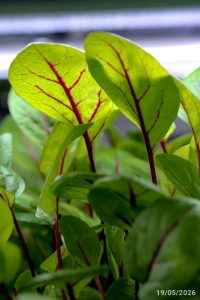
• Beetroot greens. They are great picked young in salad, but are mild and earthy when cooked, similar to chard.
• Carrot tops. These have a herby flavour and are great in pesto, chimichurri, or soup.
• Radish greens are peppery and excellent sautéed. I also add them to stirfry.
• Turnip greens can be cooked like any classic cooking green.
• Kohlrabi leaves are tender and similar to kale.
• Pea shoots are lovely in salads, thrown in with carrot tops in pesto or sauted. They have a lovely sweet and crisp flavour.
• Broad bean leaves. I pinch the tops but young leaves are good in salads or lightly cooked.
• Pumpkin leaves are often cooked in African cuisines. I have only tried it once, last year, but intend to use them more this year.
• Squash leaves are best when young and tender. Once again I want to make more use of them this year. They are best cooked as they are usually a bit hairy and tough, but are good if you remove the central stem. I have used them in soups, stews, and curries. The flowers of squash are also handy for cooking. They can be stuffed with cheese and fried.
Leaves to avoid
• Potato leaves as they are toxic due to glycoalkaloids.
• Tomato leaves. I have heard that they are edible in an emergency, but not recommended as an everyday vegetable. I don’t eat them.
• Rhubarb leaves. These are toxic due to oxalic acid and other compounds.
Be cautious of
• Parsnip leaves as they can irritate skin and may cause photosensitivity.
• Older brassica leaves which can become very tough and bitter. I don’t grow brassicas as they always get decimated by caterpillars in my garden.
Best Ways to Use Vegetable Leaves
• Pesto: carrot tops, radish greens, beetroot greens.
• Soup stock: leek greens, carrot tops.
• Sautéed greens: beetroot, turnip, radish, brassicas, onion,courgette leaves.
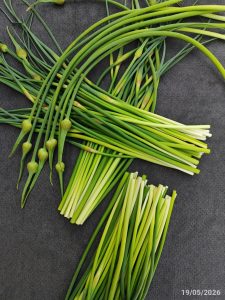
• Salads: pea shoots, young broad bean leaves, chopped onion tops.
Smoothies can also be made using mild greens such as beet leaves.
Harvesting Tips
• Harvest little and often. It is important to avoid removing too many leaves from one plant.
• Pick young leaves for the best texture.
• Wash thoroughly.
• Avoid leaves that have been heavily sprayed. I don’t use any spray in my garden.
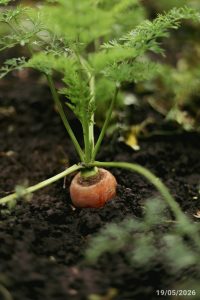
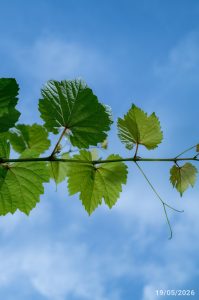
A lot of these leaves I just pick when I am thinning out, like carrots and radish, or when I harvest the vegetables. I harvest blackcurrant leaves for tea, and grape leaves to stuff and cook. There is more to eat in the garden than most people realise.
Are you making the most of the leaves in your garden? The tough and inedible leaves (except potato) go in my compost bin, and so I guess they never get wasted.



Hi Toni
I love this post. As you say, there are so many leaves that we can eat that we just don’t because we aren’t educated about them.
I am slowly exploring this world of leaves (and other edible parts of plants). I’ve used beetroot leaves as a spinach/salad leaf substitute, super tasty.
I am fortunate to have a fig tree, and currently toast the leaves to then make fig leaf tea. I haven’t tried eating the tender young leaves, after they’ve been cooked, but I think they could be nice in a curry.
Thanks for the other ideas.
What great ideas . Will give
them a try I wonder about using Raspberry leaves for tea. X
Yes you can use raspberry leaves. I drank them when pregnant. They were supposed to help with contractions.
Beet leaves super good in borscht. I eat the very young leaves of cauliflower, stir fry or soup. I eat pea pods…I prefer them to the peas but eat both.
You can use the skins from garlic and I think onions to dry and blitz into powder to flavour our recipes.
I love pea pods too. Great ideas. I found when I made the onion powder that it didn’t taste very strong and so now I make it with dried onion tops, or with wild garlic.
Just love this post had my notebook at the ready !
Thank you xx
Brilliant. Thanks for your lovely feedback
I recently read that someone in the U.S. swears by celery leaves in fried rice stir fries. They say they won’t cook it fried rice any other way.
I don’t like celery but have grown it this year to make better vegetable stock. I will try that, thanks.
I don’t like celery but have grown it this year to make better vegetable stock. I will try that, thanks.