
I have been thinking back to my childhood in the 60s and 70s lately. It dawned on me how many ordinary services have disappeared in my lifetime, and how much daily life has changed because of it. Not big dramatic things, just the ordinary little jobs that used to be part of everyday routines and hardly noticed at the time.
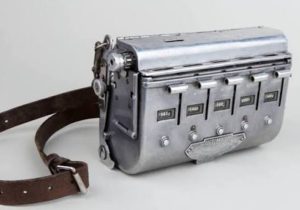
There were conductors on buses, for one thing. Not just drivers, but someone coming down the aisle clipping tickets, helping people with bags or prams, answering questions, and often knowing who got on where. A bus journey involved a bit of conversation whether you wanted it or not. They wore smart uniforms with peaked hats and they had a clipper machine around their necks.
At the cinema there were usherettes with torches, showing you to your seat and coming round with ice cream in little tubs with a wooden stick during the interval. Even going to the pictures felt more of an occasion than it does now. We always had to stand up to the National Anthem, as well. We were taught the words in school. I wonder how many youngsters know it now?
Porters at the train station helped us with our heavy suitcases, or pointed us towards the platform. Now I have to look at screens, listen out to announcements, and be ready to run with all my bags when the platform changes last minute.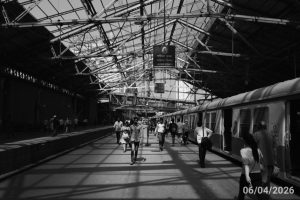
At petrol stations somebody filled the car for you, checked the oil, and sometimes cleaned the windscreen whilst having a quick chat. They remembered what you told them last time, especially if you had been on holiday.
In shops there were assistants who stayed in one department and knew what they were talking about. It was a bit like the comedy ‘Are you being served?’ The assistant wrapped things properly too, which hardly happens now unless you pay extra for a gift bag. I can still remember buying my mum some chocolates and they looked so special in the beautiful floral paper with a lilac ribbon.
These things did not vanish all at once. They just gradually went, one by one, replaced by machines, screens, and self-service. Now we scan our own shopping, print our own tickets, fill our own petrol, and often stand talking to a machine before we ever reach a person.
I understand why it happened. Wages rose, businesses had to save money, and people got used to doing more for themselves because it was meant to be quicker. But I do wonder whether quicker has always meant better.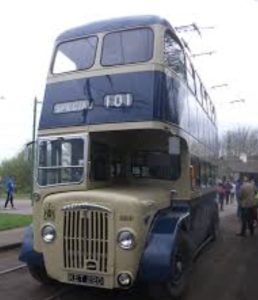
A lot of what disappeared did not really disappear at all. The work simply moved onto us. We do jobs now that used to provide somebody else’s wages. Along with that, something else went too — those small bits of contact that were built naturally into the day.
A conductor clipped your ticket but also noticed if someone elderly needed a hand. A shop assistant often remembered faces. Even a brief exchange mattered more than people perhaps realised. Life can feel so isolating and lonely for some now, especially the elderly if they have no family near by.
I am not saying the past was perfect. It could be slower, and sometimes inconvenient.
However, perhaps not every inconvenience needed removing.
A simple and frugal life often suits a slower pace, anyway. Less rushing, fewer systems, more patience, more ordinary human contact. Modern life is certainly efficient, but sometimes it feels empty and lacking. A conductor clipped more than tickets. An usherette sold more than ice cream. A shop assistant offered more than goods. They helped give ordinary life a bit of warmth and connection.
Perhaps what I miss is not the service itself so much as the feeling that ordinary life once had a little more patience built into it. I do not think that the past was necessarily better in every way. I simply think some ordinary things vanished before we fully noticed what they contributed. Do you miss that connection and service?



I have stepped back in time to remember, my Sisters both had a weekend job at a petrol station before they left school, out in the middle of nowhere they sat alone in a little wooden kiosk waiting for a car to run over the air line and that would ring a bell in the hut, they’d run out, fill the waiting car with petrol, ask if the customer wanted a shot of Redex and l think they were expected to clean the windscreen too, cash only and so into the kiosk to get change, thinking back that was really dangerous!
I worked at the Co-oP in the offices after leaving school, every morning l went from department to department collecting in the check books, they were where every transaction was recorded with the customers ‘divi’ number. I remember the Butchers book smelled of rancid fat and often had bloody fingerprints on the pages, the milkmans book smelled of sour milk, the coalman’s book was covered in coal dust. All the books used blue carbon paper that made my fingers blue, after adding up every transaction in each book and checking that balance with what the salesperson had ‘banked’ l had to separate each check. Each check had the individuals divi number on it and it was part of my job to sort them into numerical order, starting at number one.
l had a number, 1318, l remember my Granny’s number from another district was 6769 and my Mums from even further afield was 14720, strange how you never forget certain numbers. Anyway each little pile of checks was held together with a rubber band, some shoppers didn’t have a lot of checks others had dozens. Twice a year each bundle of checks was added up and the amount each customer spent was entered into a massive ledger then the Manager in accounts would ‘divi’ up the profits from the shops etc according to how much each customer had spent. When Divi Days came there would be a queue around the block of people waiting to draw out the dividend, some would take all, others would put it into their Co-oP savings account so they’d have money for holidays or Christmas.
I remember the Co-op so well. Mt gran’s number was 71177. I can hear her say it now 😊
Thank you ☺️
Aww a nice memory for you.
Aww lovely memories for you
My exact childhood, we didn’t have the big supermarkets, all separate shops and you queued up for a 1/4 of tea or 1/2lb of sugar, bread was wrapped in tissue paper with a twist at the sides. I loved our bus conductor, the little machines that dispensed your tickets. Everyone knew who you were and it felt safe, not saying there wasn’t ever any bad uns but people watched out for people, especially the children/ teens. I knew my local neighbourhood by names and their jobs, the coalman, milkman, pop man all there to help and save. We had green shield stamps when I was growing up and my job was to stick them in the book. Even the insurance man came to the house weekly to collect the payments.
Time has to move on but I loathe the break neck speed we live at now, everything is fast and instant. As the saying goes “ there is no time to stop and stare”
Fab blog, thank you for the memories.
I remember hiding from the insurancevman as my gran didn’t have the moneycto pay him 😁. I agree. I think that things have got too fast now.
Hi Toni and interesting post thank you,I remember buying wine in a small supermarket wrapped in tissue paper for you ,I refuse to use self check outs ,again it’s a person’s job gone,also living in the countryside villages had small bank branches open a few days a week, and I miss the post office savings book, I like to keep traditions going where possible, I use a milkman and veg delivery man one that is independent, but agree everything wasn’t perfect but now everything seems to be getting very impersonal
It does. Yes I don’t use self service, too. I have heardthat Barcays are going to open some branches again and have bank managers again. Fingers crossed.
Great blog Toni, I remember the co op too, bought our first and only dining table and chairs from them and shopped every week. As you say a lot of the every day contacts have gone. We even have to do admin work for the banks, insurance companies, booking services, appointments, holidays for ourselves . Takes a lot of time out the week!
It does, and put lots of responsibility on us.
I particularly miss the bus conductor! Try to get on and off the bus with my grandson in the buggy isn’t easy!
The train station has a man in a booth checking the tickets are used in the machines but he won’t help me get the buggy down steps to the platform as “he hadn’t been trained “😭 luckily a very lovely group of lads helped when I asked. It’s put me off using the train though.
Companies need to realise that customers actually need help sometimes, it seems a very one way street these days.
They do. I am glad that the group of lads had the manners to help you.
One of my uncles was a bus driver and my Auntie his conductress, not in my town though. I miss the help that you got from the conductor or conductress. I recognised them and sometimes they would charge school children a bit less.
The local shop near my junior school used to deliver, so my mum would meet me, do shopping and ask for it to be delivered. The shop assistant made a note as to when we would be home and a van would bring it free of charge. Another set of individual shops has people serving who most people got to know and they were all so friendly.
In town I liked Woolworths with all its counters with things cheap enough I could afford . I liked the little plastic toys that came fastened to a little file of perfume, Sweetpea, rose and other flower scents, about 5 shillings I think 25p.
Today I don’t think I could get on a bit or a train as haven’t been on either. Well, I could a bus as only have a bus pass but not if it meant paying with my phone.
Even the Dr’s has changed. I used to have to phone for blood results but now have My Chart, cannot phone for appointments, it’s all so impersonal.
The delivery drivers don’t have time to ring the doorbell, it’s a tap on the door and they run. I once asked if one could put a heavy box indoors, he did so begrudgenly. I would go back in time if I could.
Yes all this was supposed to be done in the name of time and convenience, but most of it doesn’t seem concenient any more.
Oh my , yes! It was slower but I liked it. People cared more i feel and took a pride in helping, I guess because it was more local and people knew each other. I try and chat in the post office queue and be patient. Fed up with the rushing and faster pace …for what? Your blog is really good Toni…😊
My first job was a Saturday job in Woolworths. I had to pass an arithmetic test to get it. We had to be able to count out change accurately. The tills did not tell us how much it was. Every sale was cash. I never once saw a credit card. I was thrilled to be allocated to the toy counter. We all had specific jobs. The only counter I might have liked better would have been the sweets one. Thinking back, that small Woolworths employed loads of staff and almost all departments had a Saturday girl. No boys. (My brothers had paper rounds – not a job for girls!)
Great read I’d forgot the petrol station one, they used to fill your vehicle with fuel and give your windscreen a wipe over I can remember now.
I don’t like how Bank’s are literally letting you do all of the work yourself I thought this is what there trained for, it’s literally self service we had a wasted journey thinking that it would be more beneficial being done in branch only to be told we have to go home and do it yourself online.
I had a similar experience. I wanted to open a bank account and they told me I had to docit on line. 🙄
I can remember my Dad doing the pools and then spot the ball. The man used to come every week to collect the money & drop the new sheets off
I can remember my Dad doing the pools and then spot the ball. The man used to come every week to collect the money & drop the new sheets off.
Yes my Grandad did the same. We used to help him. Nice memories.