
A lasagne for £3 75, maybe a chicken curry for £3.50, or a family-sized pasta bake for £10
It seems reasonable enough. After all, buying all those ingredients and making it ourselves must cost more, surely?
Convenience is costing us more than we realise.
1. The Price Tag Doesn’t Tell the Whole Story
Let’s think about something as simple as spaghetti bolognaise.
You might buy four individual ready meals at £3.75 each, costing £15 to feed a family of four.
Alternatively you could make a big pan of bolognaise using minced beef, chopped tomatoes, onions, carrots, pasta and a few herbs which comes to under £10 at todays prices. Use less meat and add more vegetables or lentils and it will be an awful lot cheaper. If you shop at a discount supermarket it will be even cheaper. Depending on where you shop and what ingredients you choose, you could make enough for four generous portions, possibly with leftovers for another day, for less than the cost of those four ready meals.

To me the £10 is still expensive. We usually put a bolognaise in the slow cooker using a lot less than 500g of meat and it does the two of us 3 or even 4 meals for half that. That’s where the real savings begin. When we cook from scratch, we’re not just paying for one meal. We’re often buying ingredients that can stretch across several meals. A bag of carrots can go into a bolognaise, a soup, and a casserole. A packet of pasta can feed the family more than once. The trick isn’t always spending less at the checkout today. It’s getting more meals for the money we spend.
Of course, cooking from scratch isn’t automatically cheaper every time. Ingredients, energy costs, portion sizes and food waste all matter. However, planning meals and using ingredients wisely can make a significant difference.
2. Are We Paying More for Less Food?
Have you ever opened a ready meal and thought, “Is that it?”. Some ready meals look generous in their packaging, but once they’re on the plate, the portions can be surprisingly small. A meal might contain plenty of sauce but relatively little meat or vegetables. Check out the amount of meat in the pasta meal pictured below. When we cook at home, we have more control over what goes into the pan and how much ends up on our plates. We can bulk out a chilli with kidney beans, add lentils to a bolognaise, or pack a casserole with seasonal vegetables.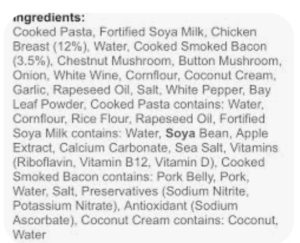
These simple additions can make meals more filling without dramatically increasing the cost.
Everyone is satisfied after dinner, we’re less likely to go searching through the cupboards for something else to snack on. Often the ingredients found in ready meals actually make our body crave more food.
3. What About the Cost to Our Health?
This is where things become particularly interesting. Not all ready meals are unhealthy. There are some perfectly reasonable options available, especially those containing plenty of vegetables, fibre and protein. However, some ready meals can be high in salt, saturated fat and calories, while offering fewer vegetables or less fibre than we’d ideally like.
I looked at the 400g bolognaise ready meal in Tesco and it had 2.11g of salt (35% of an adult daily recommended amount). There was also 26% of the adult amount of daily recommended fat and 647 calories a pack. Although it doesn’t automatically make it a bad meal as there is protein and fibre in it, is is using up a lot of your daily allowance when you still have two other meals and snacks to eat.
Too much salt can lead to health problems. When we are not preparing the food ourselves, we may not realise exactly how much salt or fat we’re eating. Cooking from scratch gives us the opportunity to make simple changes. We can use less or better salt, choose leaner meat, add extra vegetables and decide how much oil or sauce goes into our meals. We don’t need to become professional chefs or spend hours cooking elaborate recipes. Even simple homemade meals can help us build healthier eating habits.
Eating a ready meal now and again isn’t going to ruin our health, as what we eat regularly matters far more than what we eat occasionally. Over time, a balanced diet can help reduce the risk of health problems such as high blood pressure, heart disease and type 2 diabetes. That doesn’t mean every homemade meal is automatically healthy. A homemade dish can still contain too much salt, sugar or saturated fat. What matters is the ingredients, portions and overall balance of our diet.
4. The Hidden Cost of Convenience
There’s something else we often overlook when comparing ready meals with home cooking.
We’re paying someone else to prepare the ingredients, cook the food, package it, transport it and put it on a supermarket shelf. All those costs have to be covered somewhere. When we cook at home, we’re doing some of that work ourselves. Yes, our time is valuable, and for some households a ready meal can be the most practical choice. However, cooking doesn’t always have to mean spending an hour in the kitchen every evening.
Meals like fajitas, a homemade vegetable soup, jacket potato with beans, or quick pasta dish can be inexpensive, nutritious and relatively simple to prepare. With a little planning, we can make our time in the kitchen work harder for us. We often will take 10 minutes to make a slow cooker meal that will be hot and ready when we get home. It takes less time than visiting the supermarket and uses little energy to cook it.
5. Batch Cooking: Where the Savings Really Add Up
One of the best ways to save money on food is to cook once and eat more than once. We make a large slow cooker full of chilli. We have it with rice , serve one night, over jacket potatoes another time, and freeze other portions. The food is then defrosted another time and we make potato nachos, or chilli cottage pie, or maybe chilli on toast if we are in a rush, or make it into pasties. Batch cooking doesn’t need to mean that you are eating the same thing all of the time.
That is a few different meals from one cooking session. The same principle works with soups, curries, casseroles, bolognaise and many other family favourites. Batch cooking can help reduce food waste, save on energy, make better use of ingredients and save time on those evenings when we’re tempted to reach for something convenient. Just remember to cool leftovers promptly, refrigerate or freeze them safely, and reheat thoroughly.
6. Healthy Eating Doesn’t Have to Mean Expensive Eating
One of the biggest misconceptions about healthy eating is that it costs a fortune. We see expensive protein products, trendy health foods and fancy ingredients advertised everywhere. However healthy eating doesn’t have to look like that. Some of the most useful foods to keep in the kitchen are also among the simplest.
An example is oats for porridge and breakfast and maybe to make a flapjack with. Eggs also make a quick, filling meals, and omelettes are a great way to use up those bit of things that I call fridge gravel like some odd mushrooms, or pepper that are lurking in the fridge. Beans and lentils add protein and fibre. One of our favourite meals is a sweet potato and lentil curry that is an easy, cheap meal to make in the slow cooker. Buy frozen vegetables that last longer and help reduce waste if you can’t grow your own. Tinned tomatoes for soups, sauces and casseroles are always useful to have in and don’t break the bank. Things like potatoes, rice and pasta make affordable bases for meal and so are useful to have in your pantry
You really don’t need a cupboard full of expensive ingredients to put together a balanced meal. We don’t. Sometimes the simplest meals are the ones that offer the best value.
7. Let’s Be Realistic: Not Everyone Has Time to Cook
I can hear people shouting at me saying that they do not have time to cook. It’s easy for me to tell people to cook everything from scratch, but real life isn’t always that straightforward. People work long hours. I did as a single parent. People are exhausted when they get home. Others live alone, have disabilities, struggle with energy costs, or simply don’t have the facilities to cook every day. Therefore for some, ready meals are genuinely helpful, and there’s no shame in using them.
I am not writing this blog to make people feel guilty about choosing convenience. It’s about helping people recognise that there are alternatives which can sometimes save money and offer better nutritional value. Even replacing two or three ready meals a week with simple homemade options could make a difference to the household budget and health. Maybe when ready meals are the practical choice, comparing the price per portion and checking the nutritional information can help us choose wisely.
8. What Are We Really Paying For?
When we pick up a ready meal, we’re not simply paying for food. We’re paying for convenience.
There are times when convenience is worth every penny. I love a fishfinger sandwich if I need a quick lunch and so am no saint and don’t cook absolutely every thing from scratch. However, if we’re relying on ready meals regularly because we believe they’re always cheaper than cooking, it might be time to look again.
By planning meals, using affordable ingredients, cooking larger portions and making the most of leftovers, we can often feed ourselves and our families for less. We can also have greater control over the nutritional quality of what we’re eating. Perhaps that’s the most important point of all. Saving money on food shouldn’t just be about finding the cheapest thing to put on our plates. It should be about getting the best possible value for our money, while looking after our health at the same time.

Final Thoughts
The next time you’re standing in the supermarket looking at a £3.75 ready meal, ask yourself a simple question:Am I really getting the best value for my money, or am I just paying for convenience?
Sometimes, spending a little more time preparing our food can mean spending less money overall. The benefits might last a lot longer than the meal itself. I know that places like Iceland stores do offer meals at £1. This can be really helpful if your money is tight, but the ingredients can’t be very good at that price. I know I grow my own vegetables and fruit, and forage, but still my yearly grocery bill this year should be about £500. This is despite the fact that we cook about 95% of our meals from scratch and never buy the ready meals. It does show that it is possible to cook from scratch within a small budget.
What do you think? Have you found cooking from scratch saves you money, or do ready meals work better for your household? I’d love to hear your thoughts.


Lovely informative information, thank you. I,m 80 and live on my own. I,m not very steady on my feet but mainly cook from scratch. I don,t like the taste of some of the ready meals I’ve tried in the past. I make my own soups and cook from fresh. I get my shopping delivered from supermarket. I enjoy my food but if I can,t be bothered it’s egg, chips and beans, or something on toast. We have just started getting a community shop that comes fortnightly and you get 6 items for£3,00. Or 12 items for £5. They also have meat for sale in the refrigerated van but I get mine delivered and and trying to cut down on meat.
That community shop sounds great value. You are right. The things like egg and chips or beans on toasts are great when one can’t be bothered. We eat toasties on those evenings as well. Thanks for sharing. I hope that I am still able to cook when I am your age (if I am still here).
We cook from scratch and stretch our sunday chicken to make at least 3 or 4 days meals padded with lots of veg
We do have a couple of ready meals in freezer should the need arise which is always helpful
Loved reading this toni
You are right. They can be a life saver in an emergency, and you can buy better quality ones, although they are expensive. I love how you buy a chicken each week and make it into so many meals.
Thank you, Toni, for a balanced, well thought out read.
Aww thanks for your lovely feedback
A 500g bag of pasta is just under 70p, easily enough for 5 portions. Batch cooking all the way for me, staples like lentil bol, soups, roasted veg with a little bit of chicken mixed in and portioned up all in my freezer. Like you say, you don’t have to eat the same thing every day and can mix it up with what you eat it with, rice, jacket spud, pasta, etc. SO much healthier than ready meals. The slow cooker comes out in the winter and any fridge gravel and lentils etc goes in. If I want something quick I usually reach for a jacket spud and tinned fish, or a portion of pasta with something stirred through, literally 12 minutes. Soup over a jacket or with a portion of pasta bulks it out for more of a dinner. I think most kids will eat pasta with a tomato sauce and grated cheese on top for something quick also. Anyhow, that’s what I do, I feel confident in saying that it is not only cheaper but definitely healthier. Lots of hidden salt in ready meals too, I recently had high blood pressure and was shocked to see how much salt is in shop bought bread as well! I think getting organised for the week is half the battle. Great post Toni x
Thanks. You are right there seems to be hidden salt, sugar, and nasties in so much food that we buy now. I am so thankful that I have time to make things from scratch as buying food is a minefield
I have had a couple of ready meals recently, mostly because they were reduced and I felt like a night off from cooking but they actually don’t taste as good as something I can make myself. My favourite quick meal is a tofu satay stir fry with noodles, it can be on the plate in about 10 minutes, i make my own satay sauce using crunchy peanut butter, soy sauce and sweet chilli sauce. I tend to batch cook or make double portions which saves time another day.
I have never got into Tofu but that sounds nice and for meat eaters would only take a little bit longer with chicken. Yes there are so many meals that can be made in under 15 minutes, especially with a few minutes prep done before hand. Thanks for sharing
I have never been a lover of ready meals, all the chemicals & things that go in them. I will put my hand up and have in the past bought ready made pizza when the co-op have had offers on. We are on a very tight food budget and I’m cooking more with lentils, tonight we had rice with a tomato & mushroom Dahl, there is rice left over and enough Dahl to .maybe do us 2 more meals. My plan for this winter is to eat alot more vegetable stews & curries bulked out with pulses for the protein, trying to stick to a few key ingredients to keep costs down.
That is what we do to keep us healthy during the winter on a low budget. I think we all used jars and tins of soup in the past to make faster meals without realising how much sugar and salt was actually in them
I have eaten more ready meals than I cared to this summer as away from a lot due to relative caring responsibilities. Quick and easy between hospital visits and putting washing in etc. met a need is best description. But the 1 I actually enjoyed was Tesco hunters chicken and paprika potatoes.
At home the freezer contains ready to use ingredients I’ve prepared. Chopped onions/peppers etc just to lift out.i find this works much better for us in terms of a fast ready meal unfortunately I think modem living is changing our habits and not for the better.
Absolutely but ready to use ingredients is a great way of saving time. A brilliant compromise
We usually have one or two ready meal bags in the freezer for “emergencies”. But I find that I like the taste less than in earlier times. Most of the time I batchcook simple meals that go into the freezer. As well we cook simple fast stuff like scrambled eggs or salads.
Good strategy
Toni totally agree to me it’s a false economy . I’d rather buy ready prepared veg than meals . This bulks out home made meals or gives us more variety to the veg we grow or get from food club £5 wkly shop. I’m trying to lose weight so have much more control batch cooking . I love the challenge of finding things I’ve never cooked or tasted before. X
Thanks for the read Toni. My friend Joel really likes these.