I don’t have a large area to grow food. In fact a lot of it is grown in raised boxes and tubs. We therefore have to make sure that I can get the largest harvest that I can so that we can have plenty of fresh food during spring and summer, but enough to preserve for winter as well. This is how I go about increasing our harvest.
Sow seeds early in my conservatory and let them grow quite large before planting them out. This reduces slug damage. They can be grown on window sills, in greenhouses, or for some crops even cold frames or large transparent polythene boxes outside. In February I will sow things like peppers, tomatoes, chillies, courgette, pack choi and beans.
I also sow some seeds early outside under glass like lettuce, radish, spinach, rocket spring onions (could use a poly tunnel. We have raised boxes made from pallets and I put old windows on the top which I got from a double glazing company. By doing this, and continously sowing, the crops finish and the boxes become free for more plants. I therefore have a continuous supply of salad crops for a long season.
Intercropping large and small plants. In the past I have grown lettuces in between potatoes, or radish in between rows of beetroot. One crop finishes and is harvested by the time the other crop needs the space.
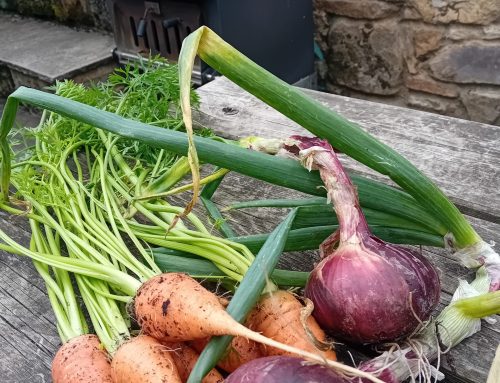
Growing crops together that help each other. I have had a lot of success with putting onions and carrots in the same bed. The onions keep the carrot fly away. I also have done the 3 sisters method of beans, corn and squash (I grew butternut squash). The corn supports the beans and the squash reduce the weeds and dehydration. I did put extra stakes in for the beans as sweet corn is not a strong variety of corn.
Moving pots around at various times of the day or year. An example is that I protect potatoes in pots in the greenhouse when there is a chance of frost. I also might move some plants so that they follow the light, or move some to stay in the shade. I even swap them to different sides of the house to stop them bolting as one garden is north, and one is south facing.
Watering and feeding is done frequently. I use home made fertilisers made from plants like nettles, have 4 water butts, and use grey water from the house. Mulching is also undertaken to prevent water evaporation. I water in the evening or very early morning to stop the water evaporating.
Slug and snail hunts are done first thing in the morning on days when it has been damp or raining.
Multi sowing and planting seedlings like spring onions and beetroot in groups. The spring onions are pulled as a bunch, but the beetroot are picked individually, the smalller ones held in place whilst the largest is pulled. This gives the others space to grow larger.
Thinning crops like carrots or radishes out to give them more space to grow. The smaller ones go into stews or curries.
Continuously sowing seeds through out the season to get sucessional crops. Every month I sow something until the end of September. I also plant potatoes in tubs until then.
Picking things like peppers and tomatoes just as they turn red. If crops are left on a plant too long they are more prone to insects and disease.
Harvesting things daily. Crops like beans and courgettes when picked regularly it encourages growth. I don’t wait until all the beans are ready, or all the courgettes are large. When the crop is harvested, the plant will use it’s energy to produce more flowers and fruit.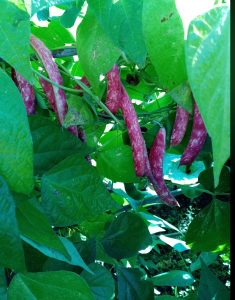
I pick everything little and often as it means I don’t waste anything, but also when the produce on the plant is mature, it thinks that it has done it’s job of reproducing and so it doesn’t have to produce or grow any more.
I hardly ever grow a full lettuce. I harvest outer leaves as they grow. This allows the air and the sun to reach the inner part of the plant and encourages it to grow more leaves. 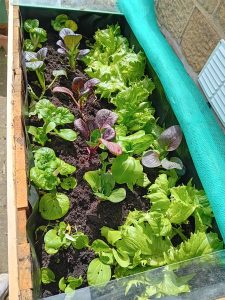
I pick things like raspberries and strawberries, tomatoes, as they ripen so they don’t spoil. I check them everyday and take a harvest, however small. Odd bits of fruit can be used with porridge, yoghurt, and an odd tomato can go into a sandwich or a toastie. I often start a bag of raspberries or peas off in my freezer, and add to it as I pick them.
Reduce the crop. My fruit trees (apple, etc,) often produce too many fruit crowded all together. They are too heavy for the branches and sometimes they will drop off. To reduce this waste I now take some of them off and use the unripe apple in compote. This allows the rest of the fruit to grow.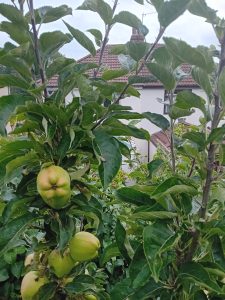
I net my strawberry and fruit bushes as the fruit begins to appear. This stops the birds eating them. I don’t grow thngs like cabbage now, but when I did I used to net those to stop butterflies landing on them and laying tĥeir eggs.
I don’t stick to the recommended spacing on the packets of seeds, but cram crops together. This can leader to smaller crops, but I can grow more variety.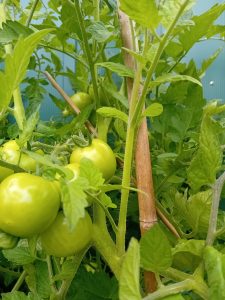
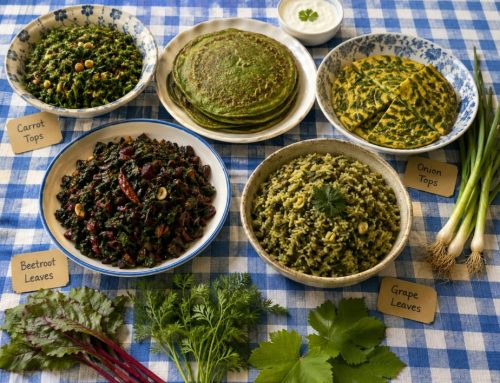
Getting two harvests from individual crops. Examples of this are that the green tops of carrots can be used to make pesto, the stalks asnd leaves of Swiss chard can be used in different dishes, or the leaves of beetroot and radishes can be used in salad. Even pea pods can be put in a stir fry or made into soup. We also use grape leaves, currant leaves, pumpkin stalks and seeds, and strawberry leaves in our food or tea making.
Growing thing vertically. I have a rose arch and a lattice fence. I hang tubs on the fence and rose arch with crops like beans and cucumbers in. We also use hanging baskets and tripods of bamboo sticks.
There are also lots of other little things that you can do to increase your harvest, for instance, reducing the leaves on plants to preserve energy. These were just a few I could think of off the top of my head, but I am sure that there are many more. How do you increase your harvests?