
Mr S is coming home from hospital next week. He has lost a lot of weight and ironically I noticed that his hospital food had very little protein in it. He looks like he is wasting away. Protein is needed to help him with his recovery, support his immune system, and to stimulate muscle maintenance. I am therefore looking forward to adding protein frugally to his diet.
Protein is not just for body builders, but is actually more important as we age. We naturally lose muscle each year after the age of around 40. (Sarcopenia). Having less muscle increases the chances of falling, therefore reduces our independence, and reduces metabolism (easier to put weight on). As we age we actually need more protein as our body is not as efficient at using it. An older adult weighing 70kg (154lb) should have a minimum of 70g of protein a day, or up to 110g (more if trying to lose weight). The more you weigh the more you need.
When we think about protein, we often think of things like fish, hard cheese, and meat that can be expensive. However, there are many other more frugal ways to make sure that we are getting enough protein. Here are some of the frugal foods I will be feeding Mr S.
Eggs. Each egg has 7g of protein. They are not as cheap as they used to be, but are versatile. I make ommlettes, quiches, bacon and egg pie, as well as eating them scrambled, fried, poached, boiled, or hard boiled (nice in salads). A lunch we make sometimes is to cook onions and peppers (or fridge gravel) in a tomato sauce in a frying pan and break a couple of eggs each into the pan to poach in the sauce. Sometimes we add herbs or spices to the sauce.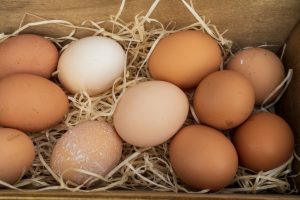
Yoghurt. We make a batch in the slow cooker once a fortnight. It provides 15 to 20g of protein a cup. It is great for breakfast with fruit, for snacks, to freeze as treats, or to bake with using equal quantities of flour to yoghurt like these Cinnamon bagels the easy way.
Beans, pulses, and Lentils. These provide 12 to 18g of protein per cooked cup. We use these a lot each week to replace meat as they are versatile and filling. They are great for making chilli, spag bol, cottage pie, curries, hummus, etc. An alternative if you still want to eat meat for main meals is to halve the amount, of things like mince, and add pulses or beans to stretch the meat. I did this a lot with my kids to keep costs down, and they didn’t even notice.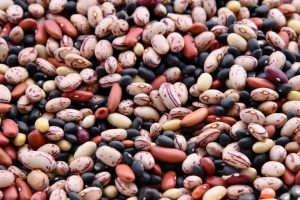
Chicken Legs. These have more flavour than breast meat, but have the same amount of protein. One chicken drumstick with skin,weighing about 75 to 100g has between 12 to 18g of protein. A whole leg has 28 to 35g. I use thighs, especially, in pies, curries, pasta, or chicken cottage pie.
Canned tuna or sardines. We love fish but I am still trying to like sardines. They have between 18 and 25g of protein per can. We use tuna in pasta meals, with salad, on baked potatoes,on pizza, and as tuna and cheese melts. These are easy to store and so can be bought when on offer. They are also helpful when you have little in the fridge and have forgotten to defrost anything from the freezer.
Peanut butter. This can be full of sugar but I buy the 100% nuts one from Lidl (currently £3.99). It is large and lasts 3 or 4 months. It has 7 to 8g of protein per 2 tsp. I use it to bake with, eg my no bake Snicker type snack , eat it as a snack on toast, or even to cook chicken with when making a chinese type meal. It stores well and is calorie dense.
Cottage cheese. This has 20 to 25g of protein per cup and is often cheaper to buy than yoghurt. I have just started eating it and have used it in lasagne and quiche so far. Mr S loves it as a snack with crudities. I am going to try making it the next time I have some spare milk.
Tofu. I will be honest. I tried this once and hated it, but my daughter uses it all the time in stir fry, salads, and other dishes. It has 10 to 20g of of protein per serving.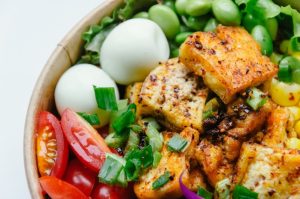
Milk. Cows milk has 8g of protein a cup. Milk is a complete protein. We make milk puddings, use it in baking, in porridge, etc. Mr S enjoys a glass to drink as well. I am afraid that warm milk from my school days put meoff milk. It was given free to junior school pupils.

Oats. 100g of dry oats is 16 to 17g of protein. Oats are really cheap. Porridge, flapjack, overnight oats,, a fruit crumble, etc are all ways to use oats. They can also be ground down and used like flour.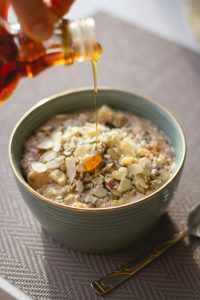
Remember that vegetables also contain protein and so serving some with a meal will increase it. Those that have the most protein are brussel sprouts, peas, and kale. However per 100g , corn, spinach, and brocolli have between 2 and 4g.
A couple of simple, frugal, high protein meal ideas could be.
1. Chinese style beans and veg, with egg fried rice.
2. Tuna mixed with a bit of yoghurt on a baked potato, with green vegetables.
3. Greek yogurt with oats and a bit of peanut butter.
4. Soup made with lentils, veg, and chicken thighs.
Costs can be cut further by bulk buying beans or pulses. Dried beans and lentils are cheaper than canned. World Food aisles sell them even cheaper than on normal supermarket shelves. I always have a couple of cans stored to make quick meals, though. Big packs of chicken legs are cheaper to buy and can be frozen in portions to cut costs. Keep an eye out for sales. Tesco sometimes have 20% off the World food aisle, Farmfoods often have reduced protein items, and lots of shops reduce beans and pulses during Ramadan. Shop around. Store brands are often cheaper, as well.
How do you add protein to your meals frugally? I will be doing a series of blogs over the next few weeks on nutrition, and how we achieve it frugally.
IMPORTANT NOTE
If some one has severe liver disease, or kidney disease, they should get advice from the doctor before increasing the amount of protein that they consume.


I must admit I never knew that, about needing more protein as you age. Very interesting read 😊 . Thank-you
Me heither until I started looking into it for Mr S 😊
These are great ideas Toni! I’m trying to increase my intake of cottage cheese-there are lots of recipes online for cottage cheese in bread, bagels, etc. Thank you for reminding anyone with liver or kidney issues to seek medical advice-we often see people in the hospital who dodn’t seek advice and they don’t realize too high protein can have an impact on kidney health and blood pressure
I have overnight oats for breakfast.
I have been told to cut down on fibre so the chick peas, lentils, tinned and dry are sitting in cupboards unused.I might try adding them back just a few at a time as I miss them.We have a variety of vegetables so get some protein there. I like oat milk to drink and normal milk in a cup of tea. We sometimes have rice pudding or rice with curries, custard and most days we have yoghurt with our own frozen fruit in from the freezer until the fresh grows again. I also eat eggs boiled, poached, scrambled in a quiche or in pancakes.
We do have fish and meat most days but occasionally I win and we have a vegetable curry.
This is a great blog Toni.
I already have porridge oats with milk every morning, although it’s only about 30g so might up that a little, I’ve started getting a litre carton of milk per week, some for the porridge and the remainder for cheese sauce or just drinking, I do like my milk really cold tbf.
Tinned fish,,,, had some pilchards today on toast with black pepper, delicious.
I have multiple packs of dried beans and pulses and I remember you saying previously to buy bulk from the world food aisle, absolute game changer, even made my own hummus last week.
Looking forward to trying your bagel recipe too, oh and really need to make more yoghurt too.
This site is invaluable so thank you xx
We tried an African peanut stew yesterday- chicken with peanut butter. Added in some sweet potato and spinach but most greens would do. The LOs don’t look quite enough for 2 so have frozen them and will add a can of drained chickpeas when reheating.
I add beans / pulses to lots of things – probably would to your poached eggs in sauce.- as fibre is so good for us and most people don’t eat enough.
To jump on your eggs and tuna ideas….salad nicoise combine both with green salad, often LO potatoes and a few olives
Great blog Toni, I eat all of the above, and I am always trying to eat more protein, but like you I tried Tofu once and hated it. However my daughter persuaded me recently to try one from Lidl in a chilli sauce and I absolutely love it and now use it in a lot of different dishes, plus side, it is also very cheap 😀
Homemade Seitan using vital wheat, is very high in protein. ( I buy from the internet). Seitan is cheap, tasty and easy to make. We use the easy recipe from the site “It doesn’t taste like Chicken” (or something like that). We double recipe and freeze half.
There’s temph as well, but I prefer tofu and seitan.
Oh not geard ofcthat, thanks. Will look into it
Really useful info Toni thanks. With regard to peanut butter, if you have access to Chinese supermarkets/wholesalers or any other outlets where you can buy in bulk, I recommend getting vac packed shelled peanuts. To make you own. PB just roast your desired amount as dark as preferred. Allow to cool a little then process with salt to taste in your food processor. I should add a reasonably robust processor is needed. No sugar and no added UPFs.
Overnight oats made with kefir gives a good dose of protein and good ferment s for gut health. You could add a dollop of PB along with any fruits fresh or dried of your choice plus milled chia milled flaxseed and a handful of nuts. Honey or date syrup to sweeten.
The 100% peanut one from Lidl has no sugar or UPF. I hound when I made my own frombpeanuts that I had to add someboil asvit was very claggy. I make a tray no bake with peanut butter and dates, but like chocolate on top 😊😇
Excellent suggestions so will definitely be looking at my intake and learning to adapt
Brilliant. I am trying to do the same. This post is a nudge for me, too.
Thank you Toni. You’re right, Mr S will need a protein rich diet for recovery. My favourites are boiled eggs for packed lunches, chick peas or beans in a chopped salad, and yes, cottage cheese with veg sticks or oatcakes. Hope his recovery goes well.
Thank you
Thanks for post toni being vegetarian I use a lot of beans and pulses have cans and dried going to start using my dried stash as cheaper, I eat cottage cheese but don’t really like it mix it with chilli sauce. O r marmite make it tastier ,I don’t like tofu much but I occasionally buy it braised in a tin expensive but just to add variety to diet, love eggs nuts buy chopped to make nut roast,oats yogurt all good really hope all goes well for a speedy recovery
Thanks. Yes the consistency of cottage cheese puts me off, but have put it in a quiche. You are braver than me with the tofu. 😊