
People who have followed me for a while know that I keep my food budget low by buying items when they are on offer, bulk buying, and, also preserving home grown or foraged food. Buying in bulk and preserving food are excellent ways to save money, reduce waste, and ensure your household is prepared for emergencies or unexpected shortages. However, building a stockpile is only of half the equation. To get the most value from your investment, you must regularly rotate your stock.
What Is Stock Rotation Important?
Stock rotation is the practice of using older items before newer ones. Often referred to as the “First In, First Out” (FIFO) method, it ensures that products with the earliest purchase or expiration dates are consumed first while newer items are placed at the back of storage.
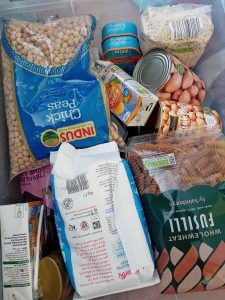
Whether you’re storing canned goods, dried foods, frozen leftovers, or home-preserved items, stock rotation helps keep your food supply fresh and usable. I do a rotation at the beginning of every month. It is like doing a shop from my own cupboards. I move food from a storage cupboard into two other small cupboards that I will use for that month. I pick goods that add variety to our every day staples, as well as things that have been in there a while. It keeps me away from the supermarket.
This morning I took out water bathed blackcurrant and apple compote, pickled red cabbage, chutney, and homegrown passatta. I also popped some staples like sugar, tinned beans, pulses and fruit, and pasta, rice, and treats in there. An extra benefit to having an extra food store is that I don’t use all the ‘nice’ or luxury items at once. This month my meal plans will based around items that I need to use up.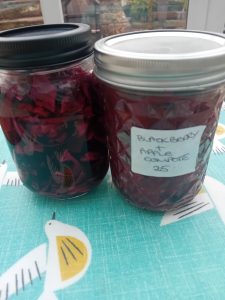
Prevents Food Waste
One of the biggest benefits of stock rotation is reducing waste. Without a system, food can become forgotten at the back of a pantry, cupboard, or freezer until it expires.
Regularly checking dates and moving older items to the front helps ensure food is used before it spoils. This simple habit can save significant amounts of money over time and prevent perfectly good food from ending up in the bin.
Protects Your Investment
Bulk purchases often come with substantial savings, but those savings disappear if products expire before they’re used.
Rotating your stock allows you to maximize the value of every purchase. Instead of replacing expired items, you’re continually consuming and replenishing your inventory, making your food storage system both efficient and cost-effective.
Maintains Food Quality
Even foods with long shelf lives can gradually lose flavor, texture, and nutritional value. While canned goods, dried foods, and preserved items may remain safe for extended periods, they are usually at their best when consumed within recommended time frames.
Using older stock first helps ensure that your family enjoys food at its highest quality.
Supports Emergency Preparedness
Many people maintain emergency food supplies for power outages, severe weather, economic uncertainty, or other disruptions. I have it to protect myself from inflation and to make the most of seasonal offers. The sugar I am using is 2 years old and was bought for 59p. I have bought some since but only when Farmfoods had it on offer. I am not paying £1.10 a week as I would if I did a monthly shop.
A well-stocked pantry is only useful if the contents remain fresh and edible. By rotating stock regularly, you can be confident that your emergency supplies are ready when needed. Instead of discovering expired items during a crisis, you’ll have a continually refreshed inventory.
Our spare stock of food has come in so useful this last 3 months whilst Mr S has been ill and our income reduced. The standard of our food hasn’t dropped, despite spending very little at the shops. I am thanking my past self who built up the stock a number of years ago by buying 3 or 4 extra items a week, and putting them away.
Makes Inventory Management Easier
Stock rotation naturally encourages regular inspection of your supplies. As you organize and replenish items, you become more aware of what you have, what needs replacing, and what products your household uses most frequently. As supplies of something reduce, I will add them to my shopping list to buy the next time I see them on offer.
This awareness can help you make smarter purchasing and preserving decisions, and avoid overbuying or making, items that may never be used. I only buy oor make what we like for my stock cupboard. There is no point in having 20 pot noodles in there just because they keep well, when we don’t like them.
Tips for Effective Stock Rotation
Implementing a stock rotation system doesn’t need to be complicated. Here are a few simple strategies:
- Place newly purchased items behind older ones.
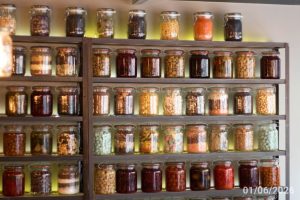
- Label preserved foods with the preparation date.
- Check expiration dates regularly. Some people write expiry dates on the top of tins to make it easier.
- Keep an inventory list for larger stockpiles. (I have a freezer one where things can get lost).
- Schedule monthly pantry and freezer reviews. I find around the change of the month works for me.
- Store food in a cool, dry environment to maximize shelf life.
Final Thoughts
Buying in bulk and preserving food are smart strategies for saving money and building household resilience. However, the success of any food storage system depends on proper stock rotation.
By consistently using older items first, and replenishing supplies as you go, you can reduce waste, protect your investment, maintain food quality, and ensure your stockpile is always ready when you need it most. A few minutes of organization each month saves me money, food, and frustration in the future. Do you rotate your stock? What kind of system do you have?
Other blogs that may be of interest


Great article and a fantastic reminder with some great tips . Thank You
Good ideas Toni. I have an inventory for my freezer otherwise I would forget what’s in there! Just an ordinary notebook and I cross things off as I use them. Think I need one for my cupboards too.
That’s really useful info. Thank you
I’m finding this very useful. I need to find somewhere in the house to store my stock, it’s on top of the kitchen cupboards atm and I’m very short!
Thanks Toni for this advice
Good information . Such an obvious thing to do but I still manage to forget about it especially with canned produce. Definitely need to have a more disciplined approach . 👍
Thanks Toni once more you share your knowledge & skills & wisdoms . My stores have grown & reserves have been based on your advise. Thank you xx
Very helpful, thank you. I also now try and store similar items together (after finding three different stashes of teabags!) i.e. tinned veg/pulses; tuna/corned beef; tinned fruit/cream/rice pudding; condiments, herbs etc.
Excellent tips, as always. I especially like your practice of moving items from a storage cupboard to smaller cupboards for use that month.
I have three notebooks in the kitchen for writing down what we have-one for the fridge ,one for the freezer and one for the cupboard-the freezer one is divided into three so that I know what’s on each shelf
That is really well organised