
I have people saying to me that they are scared about feeding themselves this winter if prices go up. Worry is just wasted imagination. The thing to do is to use that creative mind and take actions now to soften the blow of any increased prices due to poor weather or fuel increases.
I know a lot of you already know this stuff, but when we are busy, we forget. Little actions now will reduce your food bills over the winter, and you will thank yourself later.
Buy or preserve foods before prices rise, rather than after.
The next opportunities are generally those that either have a long shelf life or are particularly vulnerable to poor harvests.
Here’s how I prioritise it.
1. Stock your “price-sensitive” pantry
These tend to increase quickly after poor harvests but store well.
• Potatoes (store in a cool, dark place if you have one)
• Garlic and onions store well. I keep in hessian sacks. The onions that I grew this year didn’t do well and so I have bought a few nets of onions to get me through the winter.
• Apples (late-season varieties store for months). There will plenty around to forage.
• Squash and pumpkins (many keep 3–6 months). It is a bit early yet but they are usually on offer around Halloween.
• Dried beans and lentils. I have noticed dried versions of these increasing in price already. I always keep a good stock to make veggie meals.
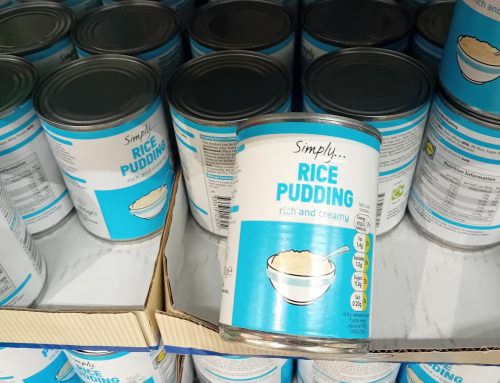
• Rice. This is a good price at the moment and I have lots as I buy it when on offered during Ramadan.
• Pasta. Wheat harvests have been poor and so I will stock up on this.
• Flour (freeze for a few days first if you have room, then store airtight)
• Oats. A cheap, versatile staple that may be impacted.
If you use any of these regularly, buying at least an extra month’s worth now if you can as this often saves more than chasing supermarket offers later.
2. Preserve vegetables
If your garden produces a glut, or you see seasonal food on offer at a good price, consider:
• Freezing or dehydrating food. I have dehydrated carrots as they are great to throw in a chilli or a bolognaise. I have beans, berries, spinach, peas, tomatoes, and spiralalised courgette frozen
• Fermenting cabbage into sauerkraut or kimchi.
• Pickling beetroot, cucumbers, cabbage courgettes, and onions.
• Making vegetable soup, or stock concentrates.
• Pressure canning (if you have the equipment, or water bathing.
Nothing is cheaper than food you’ve already grown or foraged. So far I have water bathed compote, berries, rhubarb, and water bathed tomatoes

3. Freeze or dehydrate herbs
Fresh herbs become surprisingly expensive in winter. I couldn’t believe that a small mint plant was nearly £2 in a supermarket the other day. We make our own mixed herbs, rosemary, and sage from herbs we grow. Most herbs regrow each year and so it is free food. I also freeze: parsley, coriander, basil (as pesto or chopped in oil) and chives
Doing this will save you money all winter.

4. Reduce waste
This is often the biggest saving.
• Turn vegetable peelings into stock.
• Freeze leftover bread for toast or use in other ways.
• Plan meals around what needs using first.
• Keep an “eat me first” box in the fridge and cupboard
Even reducing waste by £10–15 a week adds up over a year.
5. Think about proteins
If feed prices rise, meat and eggs often become more expensive too.
If you have freezer space, watch for offers on chicken, mince, fish. Remember that butter, whisked eggs, and cheese can also be frozen. I have seen tuna and mackeral on offer recently and so have stocked up on those.
A way I have saved lots of money on proteins is to gradually shift a meal or two each week towards beans or lentils. Now we only eat 3 lots of meat a week. Making my own yoghurt and cream cheese with milk also saves money. Cottage cheese is next on my list.

6. Preserve fruit
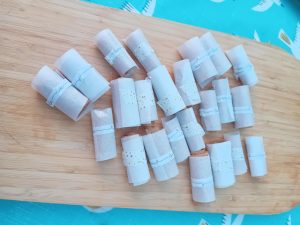
We forage for blackberries, pears, apples, and plums. If there’s a good harvest locally I will make apple sauce, freeze berries or make jam, make chutney, dehydrate, water bath, or make fruit leathers . I also store apples until February, wrapped in newspaper in boxes in a cool place.
7. Save seeds
If you are already growing food, let a few plants go to seed where practical. Good ones to save include: Tomatoes, beans, onion, carrots, lettuce, peas and peppers.
That reduces next year’s gardening costs.
8. Extend the growing season
A small investment can produce food for months longer. My green house and recycled double glazed windows on top of raised boxes keeps my crops producing for longer. My conservatory also has food growing in it during spring and autumn. Fleece, cold frames, poly tunnels are also useful if you can afford them. Winter crops like chard, kale, leeks, or winter salad are cheaper when home grown.
9. Buy seasonal in bulk
When prices are lowest, preserve them. All my pickled red cabbage this year was from 4p Christmas cabbages from a supermarket.
10. Plant crops that replace expensive supermarket items
Some vegetables give excellent value because they’re costly to buy but easy to grow.
These include, salad leaves, spinach, herbs, spring onions
French beans, and kale. Think about planting some perenial crops in your garden or a bucket, next year as well. I have a hedge of currants, fruit trees in containers, rhubarb, strawberries, raspberries, and all these save me a fortune, and improve my nutrition, as well as being tasty treats.

A well-stocked pantry, preserved garden produce, and a plan for extending your growing season can soften the impact of food inflation for quite a long time. Doing this consistently, and adapting what I eat as enabled me to eat well on a really low food budget. How are you preparing for price increases?


Great advice am writing a list !
Brilliant. I love lists 😁
A great blog, with lots of helpful information. Thanks!
Aww thanks for your lovely feedback
Thank you Toni. Great advice and well written xx
Thanks so much
A great blog post. Lots of good ideas here!!
Thanks for taking the time to comment, and thank you
Brilliant blog Toni. Some really useful information here. Thank you
Aww thanks for your lovely feedback
Very useful advice…..i am going to eat pulses a couple of times a week instead of meat. Thank you Toni
No worries. We now prefer curries made with pukses and veg.
Very useful information, I’m going to try using pulses more ! Thankyou x
No worries. I thought Mr S would grumble when we had more bean meals but some of them he now prefers.
Great blog post, things like this can’t be repeated too often. I rely on my pantry, and buy food when they are on sale. Right now the grocery stores has deals on chicken breasts. I have only a freezer under my fridge, and that is full at the moment. And when I´m only serving one. My grocery budget will be low this month. I only need to buy bread, milk and some sandwich toppings.
I don’t know how you manage with such a small freezer. Glad that your food bill is reducing and you have got some bargains
Thank you for this Toni. You’re right – I do know this stuff, but forget, so it’s great to be reminded. I think a new thing I will learn this year is fermenting red cabbage if it’s on offer at Christmas again.
Making sauerkraut is so good for ones gut biome, 2nd brain. Its so easy and cheap to make. All one needs is a cheap aldi/lidl cabbage 1kg and 20g of sea salt and a kilner jar. (Not table salt as the additives stop the fermentation.)
I have had two disasters with fermented veg, but not due to the salt as we only use Himalayan or Celtic. I need to give it another go. Thanks for the nudge
Good idea. I need to do more fermenting. I have done it 3 times and had 2 disasters and so it has put me off a bit.
I always have some bags and takeaway tubs in my car and in bike pannier for unexpected finds. It’s a bit of a family joke that I’ll suddenly stop the car to pick windfalls (also occasional plums, hazelnuts, yellow raspberries, sloes, and lots of blackberries).
I once got a £2 Lidl box that included 7 pomegranates – juicy seeds frozen and eaten with porridge for weeks!
Look to repurpose really cheap yellow-sticker ingredients too – like milk for yoghurt, double/whipping cream for butter.
Next challenges will be homemade cheese and (if I can get other berries really cheap) then use old GF bread and make a summer pudding
Great post with lots of helpful tips. I needed a reminder so thank you.
No worries. Thanks for commenting
Superb post. Love your line that worrying is wasted imagination. True. Very good, timely reminders.
Thanks. My imagination always seems to be worse than reality and so I have taught myself not to worry.
Thank you Toni, for all the suggestions. We are apparently so far behind Europe with our food stockpiling that this is an excellent well timed blog, with good tips.
Yes. I agree. Our government don’t seem proactive, or to be keeping the public informed
Every week I check my local store’s flyer as they tend to rotate through certain proteins being on sale each week. Last week I was able to add more ground beef (mince) to my freezer as it was on sale and this week I’m hoping it will be minced pork.
I have also been using more beans – cooked from dried and frozen to be used as needed.
Freezing some fruit has also been on the agenda over the past few weeks so I now have strawberries, blueberries, rhubarb, peaches and over ripe bananas. Today I plan on slicing peppers and open freezing a batch of those. I am going through my small freezer compartment and using up a lot of odds and ends to make more room. It is a tight month financially so a good time to work through all these bits and pieces.
Thank you for always having some very useful tips Toni.
It sounds like you are building a stock of very useful things for the winter. Brilliant